Youth and Non-Pro Divisions
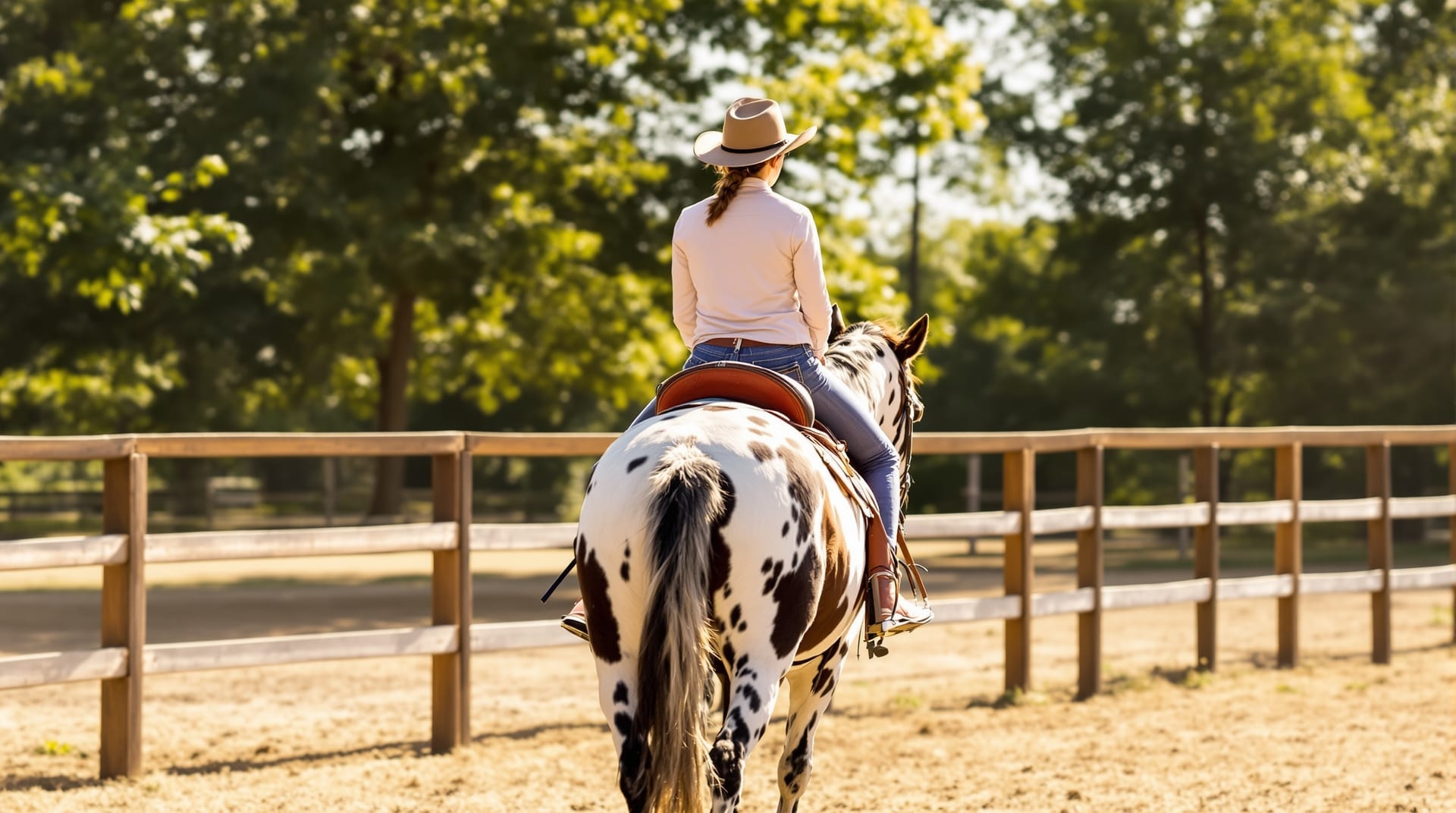
Open competition gets the photographs; youth and non-pro competition is where most of the sport actually happens. The great majority of horses in a breed show are being ridden by their owners or by owners' children, and the divisions built for them are not a consolation bracket — they are the structural core of the show.
What the Divisions Are
Youth divisions are restricted by the exhibitor's age, normally with sub-brackets so that a nine-year-old is not competing directly against an eighteen-year-old. Non-pro or amateur divisions are restricted by professional status: broadly, exhibitors who do not train, ride, show or instruct for compensation. The precise definitions, age brackets and eligibility criteria are published by the Appaloosa Horse Club and are revised periodically, so read the current rulebook rather than relying on what was true a few seasons ago.
Eligibility rules are stricter and more detailed than newcomers expect. Accepting payment for riding a neighbour's horse, or for a few lessons, can affect status. Anyone near the boundary should check the current definition in writing and, if there is genuine doubt, ask the registry directly rather than a fellow exhibitor.
Why the Division Matters When Buying
A horse suited to open competition and a horse suited to a youth rider are frequently different animals. Open horses are often campaigned by professionals who can ride through a spook, a stiff day, or a horse that needs a firm ride. A junior exhibitor needs the horse that gives the same performance in a strange arena on a windy afternoon with a rider who is nervous.
That quality — consistency under an imperfect ride — is the single most valuable and most under-advertised attribute in the sport. It rarely appears in a sale listing because it is hard to photograph. Look for it directly: watch the horse ridden by someone of comparable ability to the intended rider, in an unfamiliar setting if possible, and read the show record for depth in youth and non-pro classes specifically. A record built in those divisions is evidence that amateurs have already succeeded on the horse.
The Schoolmaster Argument
There is a persistent temptation to buy a young horse and "bring it along together" with a junior rider. It is an appealing story and it works badly. Two green partners compound each other's mistakes, and confidence lost in the first season is expensive to rebuild. An older, experienced horse teaches; it takes the rider around the course or down the rail correctly and shows them what right feels like.
Schoolmasters are typically older, may have maintenance requirements, and will not have resale upside — all of which is priced in and all of which is a reasonable trade for a rider's first two or three years. Have any such horse examined with its age and workload in mind, and budget for its upkeep honestly.
What Youth Competition Actually Teaches
The practical curriculum extends well past riding. Junior exhibitors learn preparation, scheduling, equipment care, sportsmanship in public, how to lose in front of an audience, and how to be responsible for an animal that depends on them daily. Youth programmes run by breed associations frequently add leadership, public speaking and scholarship components for exactly this reason.
Parents new to the sport should also understand its rhythm: long days, early mornings, weather, waiting, and a great deal of standing around punctuated by a few minutes that matter. Families who enjoy it enjoy the whole day rather than the class.
Cost and Realistic Planning
Beyond the horse, budget annually for board or upkeep, training or lessons, farrier, routine veterinary care, entries, stalls and hauling, plus show clothing that a growing junior will replace. The costs are manageable when planned and destabilising when they arrive unexpectedly. Many families start at local and regional shows for a season or two before attempting the national events, which is both cheaper and better preparation.
The Long View
Youth and non-pro divisions are where the sport renews itself. The exhibitors in them become the owners, breeders and — a proportion of them — the professionals of the next generation, which is why breed associations invest in the structure so heavily. If you are choosing a first horse for a young rider, the decision that pays over a decade is the safe, generous, consistent one. The buying guide covers the evaluation process, and it applies with extra weight here.